Luís Arandas
Artist, lecturer, PhD in Creative AI (completed 2024)
- Background
- Trained in music (classical guitar and bass) and visual arts
- Current Focus
- Ecosystems of AI models, design and engineering, video and sound
Executive Summary
Luís Arandas occupies a rare intersection: formally trained artist with a PhD in engineering, fluent in both experimental practice and technical architecture. His approach to AI is neither partnership nor pure tool use but something more precise, what he calls programmed ecosystems with intentional curation. He builds systems, lets them run, then curates outputs based on dual criteria: technical functionality and aesthetic judgment.
His films-from-poems pipeline exemplifies this. He programs the ecosystem, lets it saturate, and allows unexpected associations to emerge. A perfume bottle appearing when a poem mentions alcohol, colour slowly saturating across time. These are not controlled outcomes but emergent properties he accepts or rejects based on artistic judgment.
I prefer when we just let it happen because it's more of a tradition I have of automatic systems.
His rejection of partnership language stems from technical clarity rather than philosophical dogma. Current AI systems operate through sampling from learned representations, sophisticated, but structurally different from human cognition. Yet his scepticism remains genuinely open: he sees real potential in embodied robot collaboration, and his research is moving toward orchestrating many specialised systems rather than developing one big partner.
Practice-Based Research and the PhD
Arandas's 2019–2024 PhD focused on creative AI through diffusion models, producing three compositions that answered his research questions through practice. His validation was not audience questionnaires. It was the work itself. If the technique functioned and produced something that could sustain a practice, that was enough.
He is a committed advocate of learning by doing, and navigates a genuine tension between artistic practice and research convention. Artistic work does not solve problems in the way research demands, but it can make the answers possible.
Creativity and artistic practice do not exist necessarily for problem solving... So doing research in the arts kind of requires that dance where maybe my artwork is not the answer to the research questions. It just makes the answer exist.
He distinguishes his academic work from his artistic identity carefully. The PhD is a study he respects, but it does not define his voice as an artist.
Irreplaceable Biography: Films from Poems
Starting from a poem, a language model generates streams of text that feed simultaneously into a diffusion model and a text-to-speech vocoder, producing two synchronised outputs, image and voice, matched so the soundtrack describes what appears on screen.

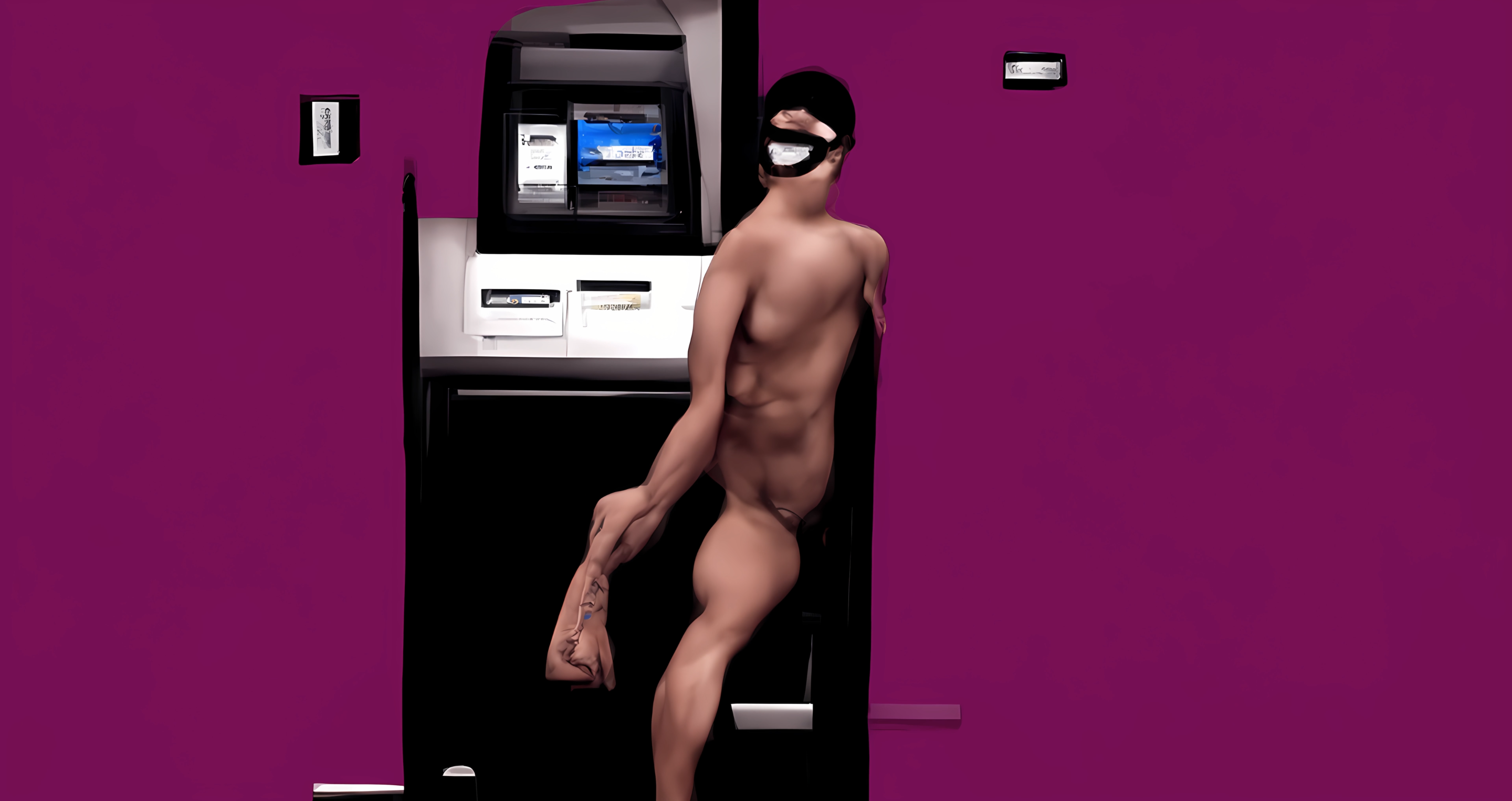
He did not choose the colour shifts or the perfume bottle. He programmed the system, set it running, and let interpolation do its work. Colour saturating slowly across time was an emergent property of the process, not a decision.
His selection criteria are dual: the system must function as designed, and the output must satisfy his aesthetic judgment.
When I say it's okay is when it respects both the system that I designed and my aesthetic acknowledgement — those two are fundamental.
On authorship, he is unambiguous. Intention grounds authorship, not manual creation.
Irreplaceable Biography is totally AI generated, but I always say that I was the one choosing the poem. I was the one making the system and I was the one that chose that this AI was going to generate video this way.
On/Off: AI as Temporal Structure
His performance with Supernova Ensemble demonstrates a different relationship. AI here is a structural organiser rather than a creative agent. The system waking up, generating, then stopping provides timing for human musicians who improvise within those chunks. The video was not composed to accompany the music; it was given agency within it.
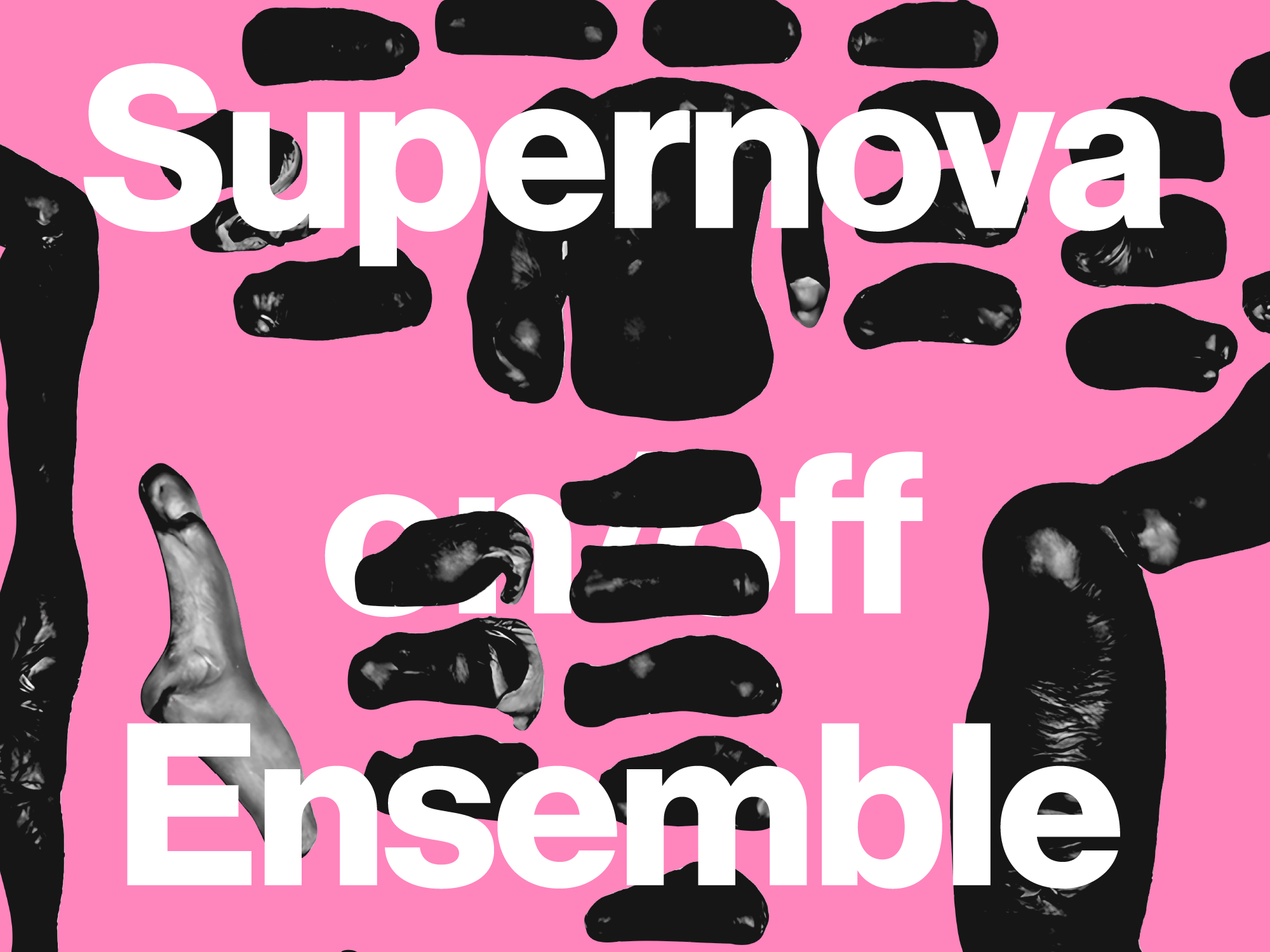
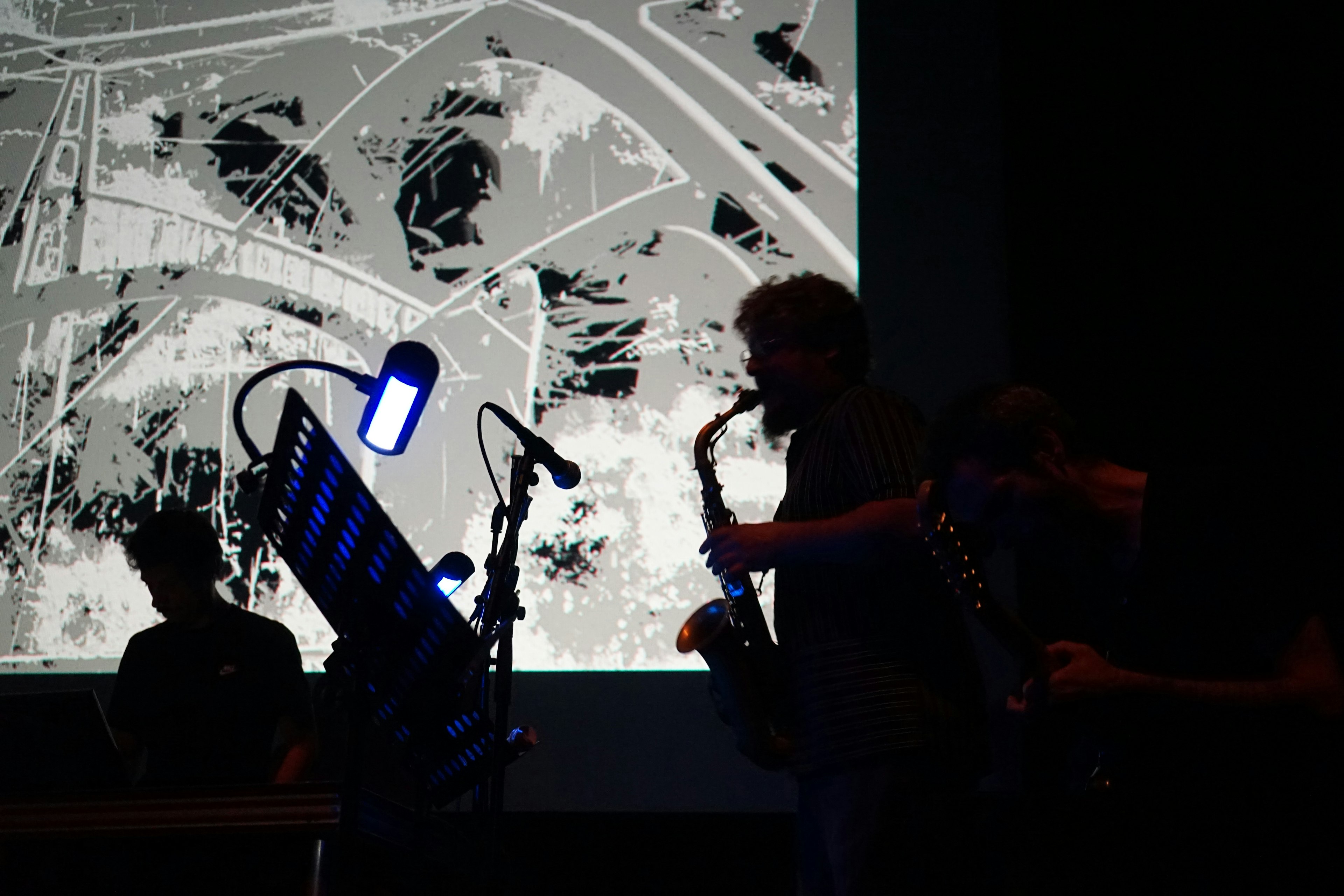
Each rehearsal differed because of nonlinear elements, but always within a defined structure. The AI does not compose the music; it defines the architecture of time within which the musicians compose. That is a meaningfully different kind of agency, closer to aleatoric composition than creative collaboration.
AI as Synthesis Mode, Not Partner
Luís's artistic practice foregrounds process over product — making visible how AI systems operate rather than presenting their outputs as autonomous works. This continues experimental traditions in computer music while engaging with specifically contemporary AI capabilities.
Practically, this means works that expose AI's operations, reveal its limitations, and maintain the human-machine relationship as subject matter rather than hiding it behind polished results. The audience encounters not just what AI produced but how it produced it — and what that production process reveals about both AI and human creativity.
This approach serves critical as well as aesthetic purposes. By making AI visible, the work resists the tendency toward magical thinking that treats AI as autonomous creator rather than tool or collaborator. It maintains human agency and responsibility even when working with systems whose operations can't be fully understood.