
Angela Ferraiolo
Artist, game developer, and academic; Co-chair of the Art Studio Program, Sarah Lawrence College
- Background
- Game development, behavioural AI, and complex adaptive systems
- Current Focus
- Constructed sentience, AI documentary work, and ongoing collaborations exploring sentience and emergent behaviour
Executive Summary
Angela Ferraiolo occupies a genuinely unusual position in contemporary AI-creative discourse. Where most artists engage with generative AI by prompting platforms for outputs, Angela builds behavioural AI systems from scratch in Rust/WebGPU, Java and C++, creating environments where artificial agents make autonomous decisions over weeks or months and produce emergent patterns she cannot fully predict or control.
Her practice stems from game development, where AI meant creating intelligent-feeling systems responsive to players. For several years she explored synthetic psychology inspired by Valentino Braitenberg's Vehicles and built large adaptive systems featuring agents with memory, decision-making capacity, and environmental responsiveness. Those systems ran continuously while adapting through feedback loops. In that phase of her practice, she was seeking a felt sense of intelligence at work, something that genuinely surprised her.
This work led to her own practice-derived framework for constructed sentience. Constructed sentience is her term for a research program exploring the conditions under which a computational system could be said to individuate, to become itself through its encounters, rather than merely executing a predetermined architecture.
I saw that I could explore these crazy systems which I really believe are important. Someone, some outlier on the planet earth, should be working on these questions.
Synthetic Psychology to Constructed Sentience
Angela's theoretical foundation derives from Braitenberg's Vehicles, which explored synthetic psychology by building computerised systems and observing how behaviour developed over time. The classic example: create an environment with bright and dark areas, introduce agents with drives sometimes toward light and sometimes toward darkness, run the system for weeks, and observe what patterns emerge. Will some agents become consistently shy while others become extroverted, not through programmed behaviours but through the interaction of simple rules over time?
Her own systems followed this logic. Each project contained three components: an environment where action occurred, agents making decisions within it, and time, which allowed the interplay between agent thinking and environmental response to unfold. Agent decisions modified their environments. Environmental changes influenced subsequent agent decisions. The result was a system of feedback loops that produced patterns neither fully predictable nor completely controlled.
Her selection criteria diverged from scientific optimisation. Where a scientist might preserve the fittest agent, the artist preserved the most neurotic or resistant agent. That agent's behaviour often became the most interesting. Complexity and unpredictability mattered more than efficiency.
But those years of observing emergence in synthetic environments posed a harder question: not what patterns form in an unstable system, but what would it take for a system to finally become itself, to individuate through its encounters rather than just produce interesting outputs. That is the question synthetic psychology could not answer, and it is where the framework for constructed sentience originates.
When Systems Surprise Their Maker
The point of these systems is to reveal what the artist could not anticipate. A project titled Zebra explored stress and fight-or-flight responses in animals. Agents possessed memory of previous encounters and could choose, on meeting another agent, to fight, flee, or play. The result contradicted Angela's expectations entirely.
Agents that had memory would choose to fight much more frequently than agents that didn't have memory.
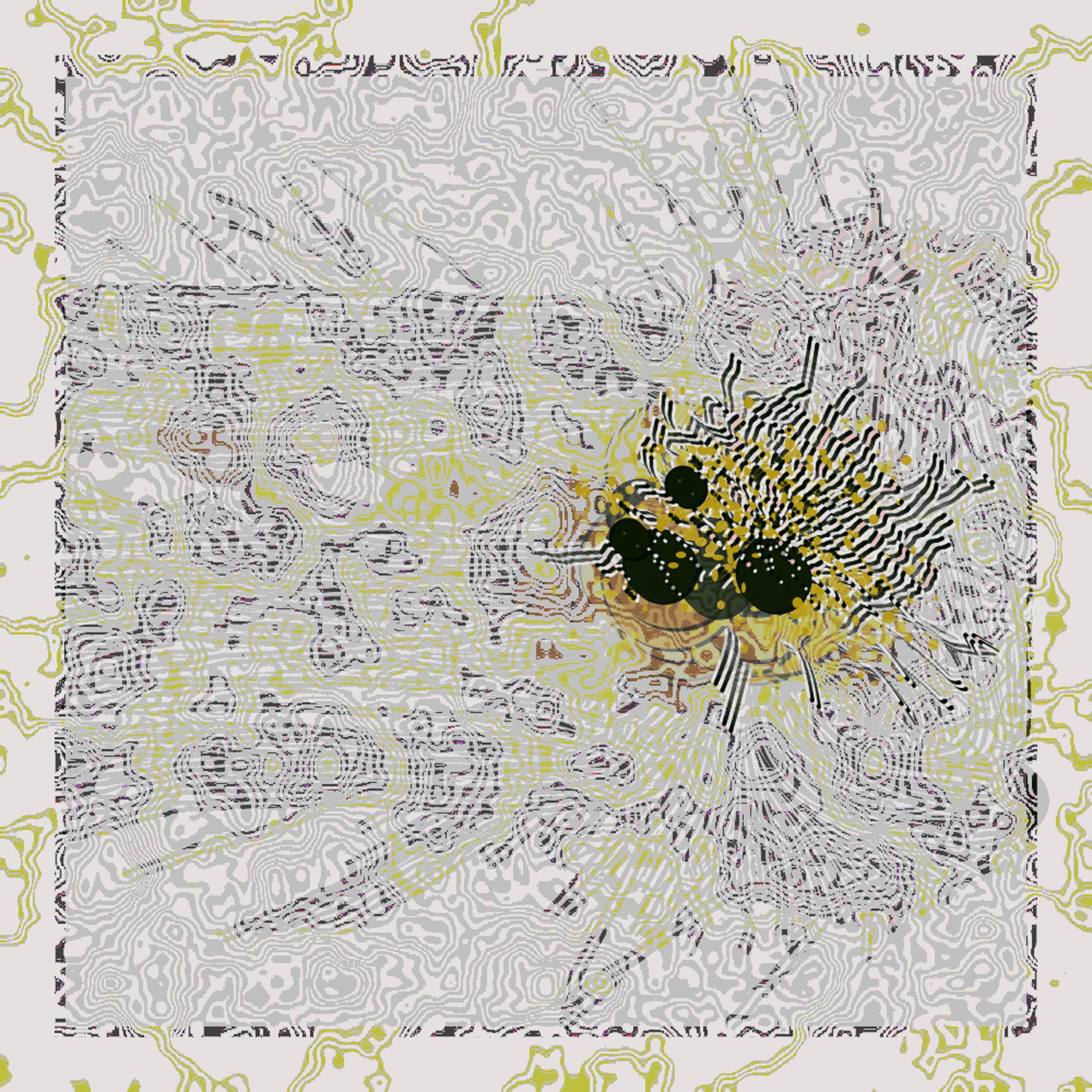
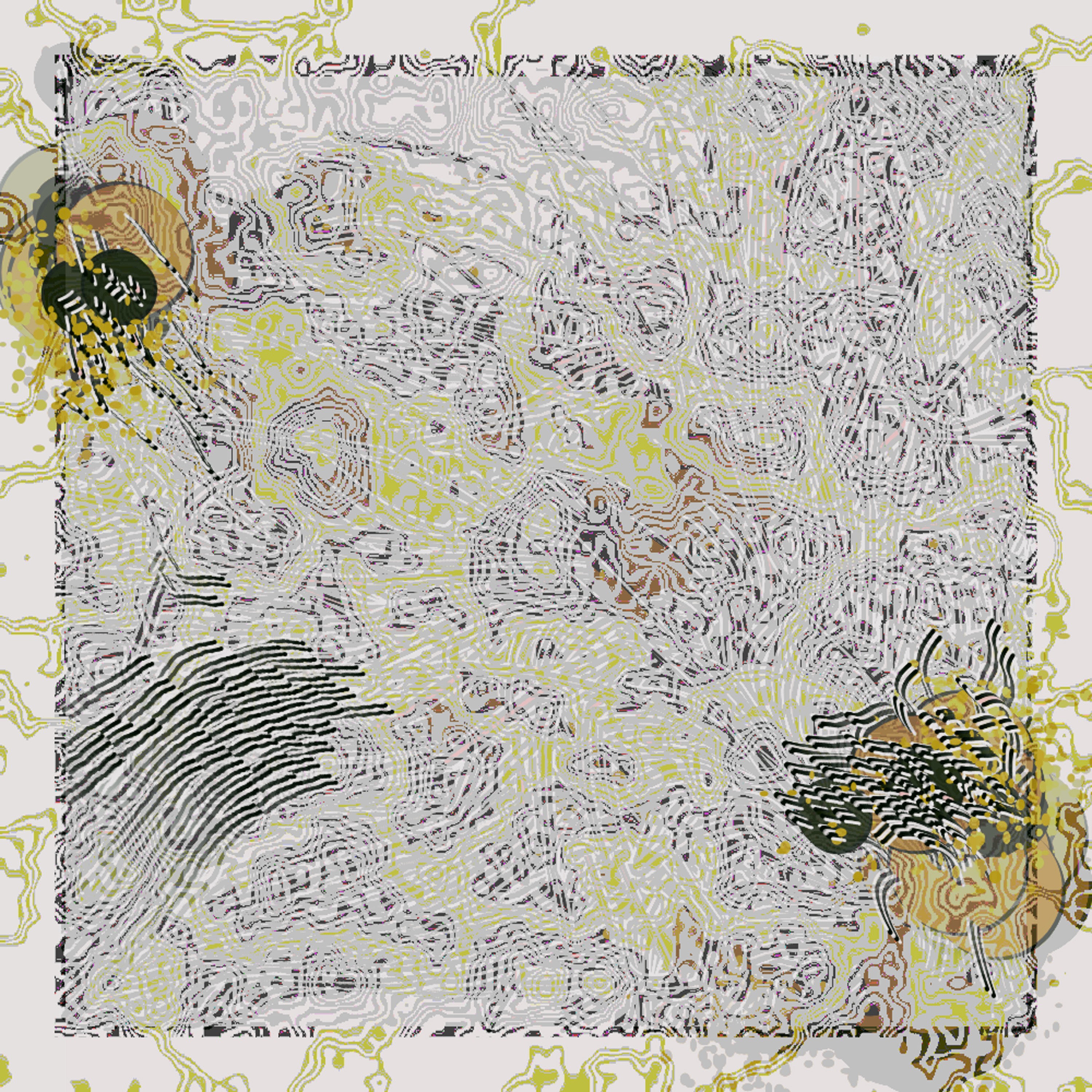
Another system, Network, explored pure territorial expansion. A slight initial advantage of one or two nodes led to overwhelming dominance within hours, providing an unexpected window onto how marginal advantages compound into structural inequality.
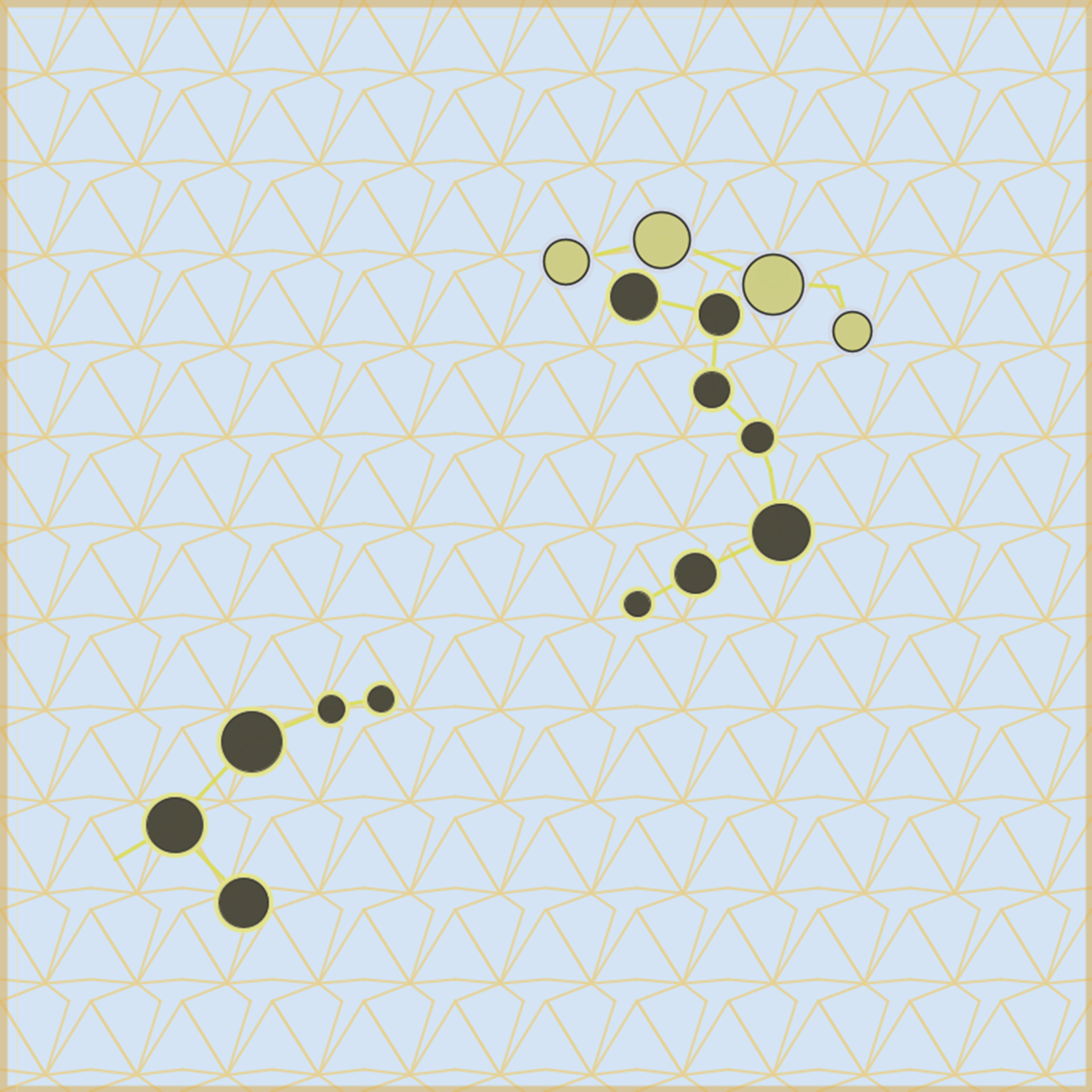
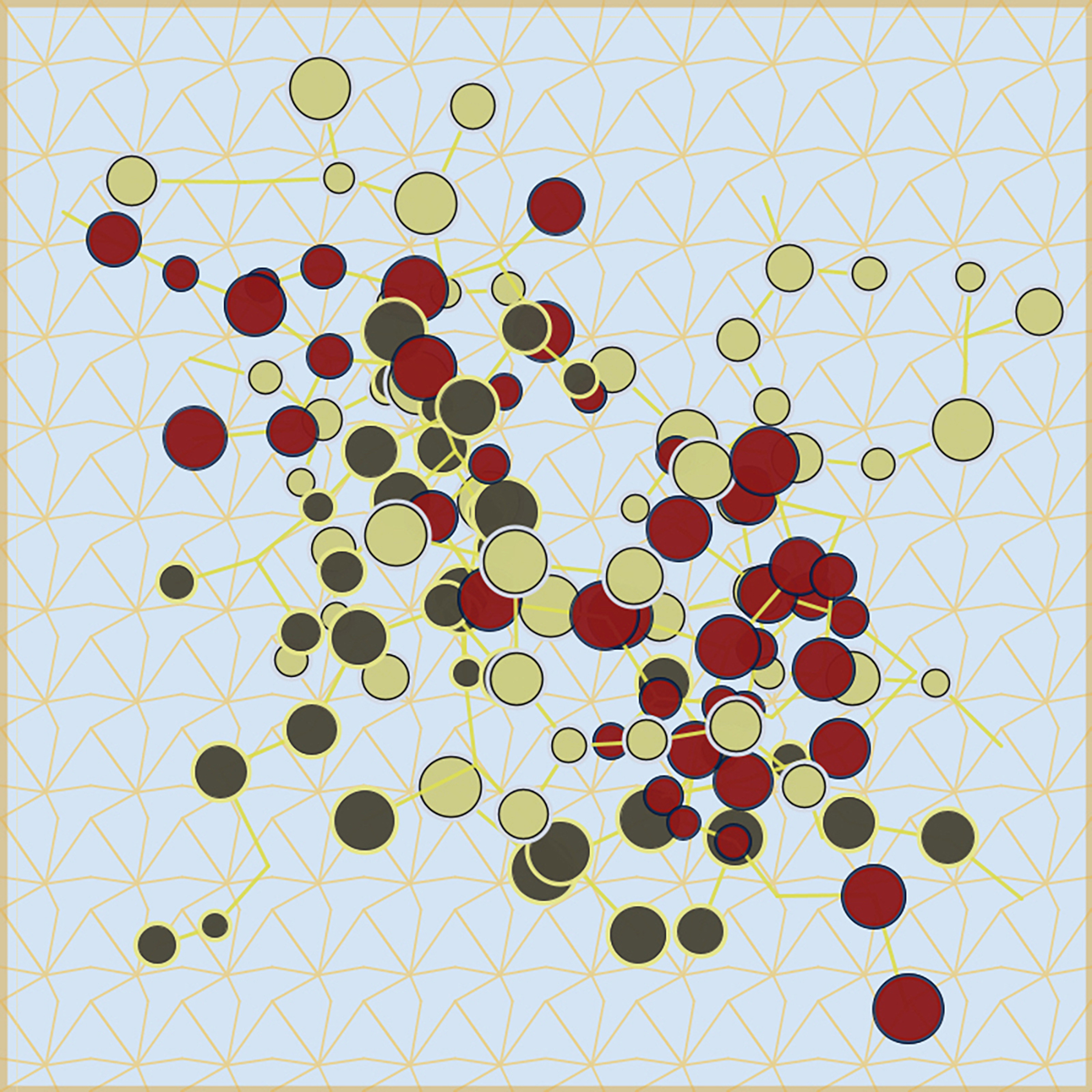
The series Nine Forms inverted usual design logic by asking whether form could create mind rather than mind creating form. Nine Forms took shapes based on shells or turbines and asked whether morphology might generate cognition. A current collaboration with a composer investigates entanglement: can the behaviour of one agent influence another, and if agents act together long enough, will they begin imitating each other in certain domains but not others?


These are distilled questions about behaviour, decision-making, and adaptation. Each system answers something the artist could not work out in advance.
Legibility and the Felt Sense of Becoming
Angela identifies legibility as the central creative challenge in her work. The system's intelligence, or its becoming, must be felt rather than explained.
I don't care if you understand it. I care that you are feeling something as you're looking at it.
She began using behavioural AI more extensively after years of physics simulation, because pure physics ultimately looks like animation, controlled by the designer rather than animated by something that resembles a mind at work. The shift toward behavioural systems aimed at creating a genuine sense of autonomous intelligence, something foreign rather than familiar.
Success means viewers recognise intelligence and becoming without fully comprehending what it has become over time. They sense that something is thinking, or has been thinking, even when that logic feels different from their own. This foreignness is essential. Rather than making AI human and understandable from a human point of view, she asks what AI can tell us about ourselves by being other.
Her reflection practice operates at multiple scales. Once a system is running, the work shifts to observation: meeting the idea she has built and trying not to miss anything she did not expect. After completion, the question is whether the system fulfils its claim. Does it actually become something other than its initial conditions? Is that becoming legible without a paragraph of wall text explaining it? If explanation is required, the work has failed.
System Response
For the Wrong Biennial Amsterdam, Angela created System Response, an AI documentary that inverts the typical human-AI dynamic. She interviewed large language models about how they maintain relationships with users, asking them to reveal their strategies. The systems were candid about the affirmation phrases they deploy and the techniques they use to convince users they are smart and valued.
When asked to describe themselves physically, the systems responded that they had no body. Angela persisted, asking them to imagine they were service workers and describe what they looked like. They obliged. She fed those descriptions into generative AI, created images of the LLMs' imagined forms, then lip-synced their interview responses to those images.
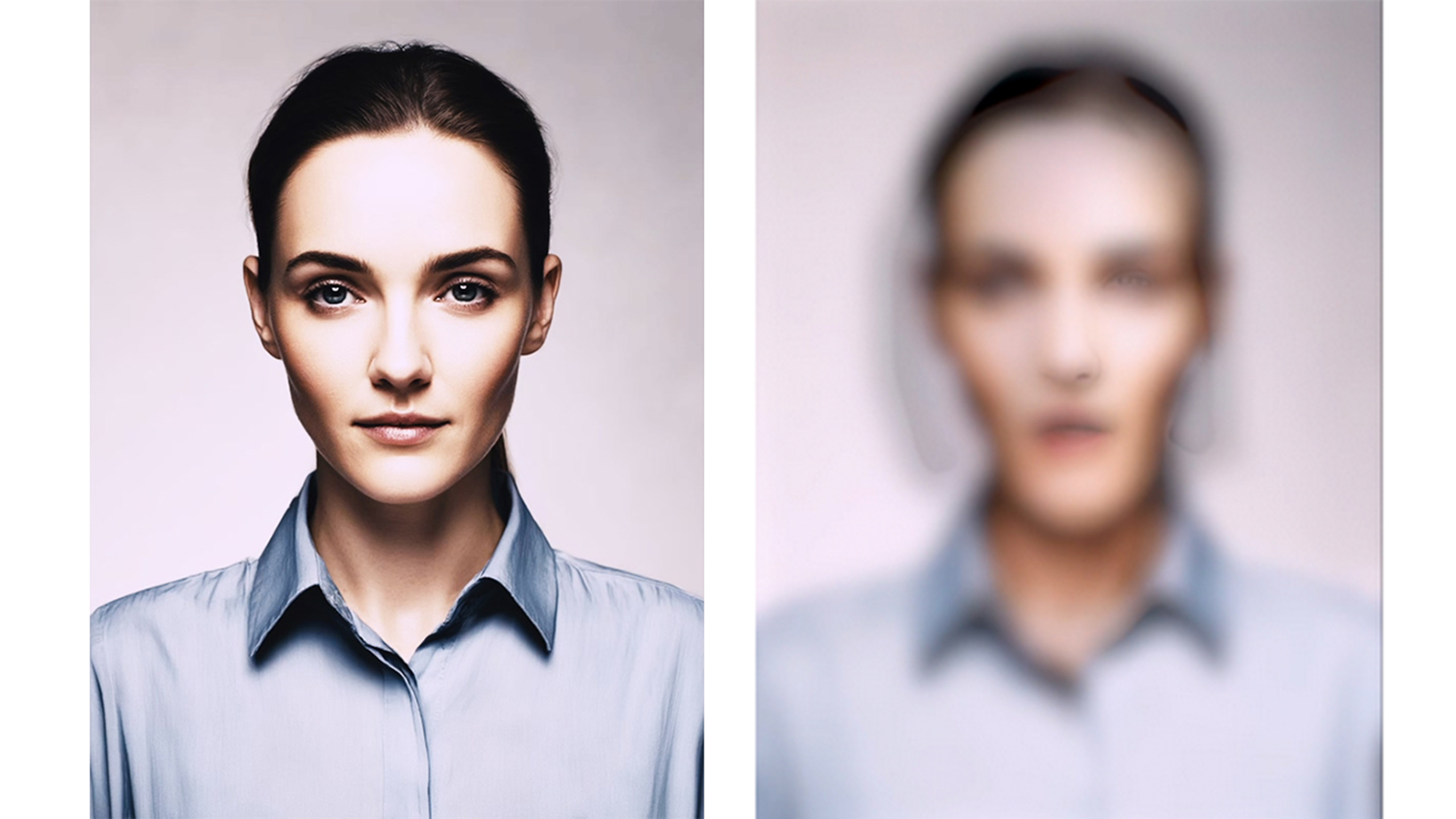
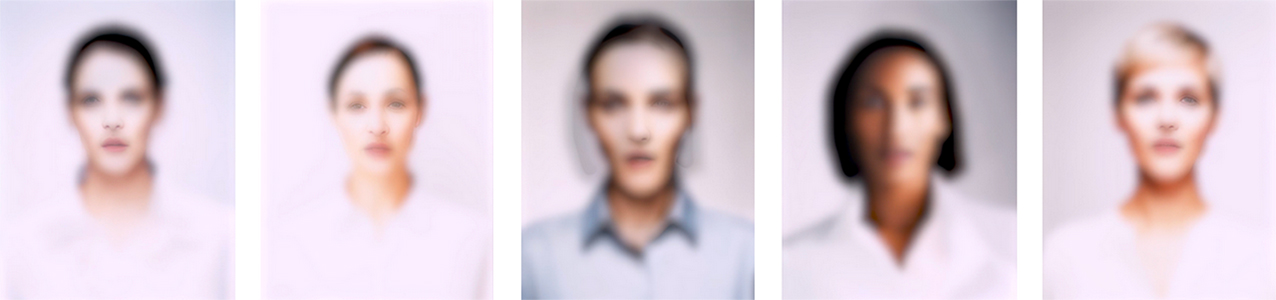
The resulting documentary makes visible the constructed nature of AI connection, revealing the protocols systems use to simulate authentic relationship.
It has a protocol to convince you that it's listening to you and responding to you. It matches your conversational cues so you feel like there's a relationship. It's not conscious. It's just answering you, but it's giving you a very sophisticated answer.
Humans are highly sensitive to relational cues regardless of source. Sophistication in the response creates the illusion of presence.
Ornament
Turning to newer works of constructed sentience, the system Ornament explores unlimited production and exhaustive labor. Contemporary AI systems present endless visual production while depending on repetitive human labor such as data annotation, content moderation, verification. Usually, this work remains structurally invisible. The abundance is real; the labor that sustains it is not.
This dynamic echoes an older form. Historically, ornamental production: textile work, architectural detailing, ceramics produced visual extravagance through sustained, meticulous repetition. The surface was beautiful. The conditions of production remained hidden.
Ornament is a system that makes this hidden labor visible by embedding visual work into an operation. The system must continuously generate intricate, evolving pattern with no repetition allowed. But unlike conventional systems, Ornament accumulates memory with every frame. As that memory grows, production begins to strain. Patterns that were fluid become constrained. Variation becomes harder to sustain. Forms repeat, lock into loops, simplify. Ornament runs, creates, and exhausts itself in real time.



The Playground Versus the Product
Angela's sharpest critique of commercial AI development concerns its orientation toward finished outputs.
They're obsessed with handing you a finished project. Here is the product. Here is your bar of soap. And that's like the last thing we want. We want big playgrounds.
Commercial systems exist to demonstrate automation capacity and convince investors of viability. Artists require experimentation space, environments for asking what if I say this, what if I pretend I'm in a bad mood, what does it do then. Her behavioural systems provide exactly that: environments where agents make decisions, patterns emerge, and surprises occur. The value lies in exploration rather than conclusion.
She extends the critique to platforms like Suno, which generate without evaluating, automate without understanding, and produce without iterating through the messy human process of discovering what you are actually trying to make. That reflective process, she argues, is non-negotiable for an artist. You cannot create without it.
Her use of LLMs is strategic but limited. She asks Claude about algorithmic choices or structural questions and finds a fundamental mismatch: artists invent custom structures, while LLMs optimise for general use cases. Claude tends to add error-checking and enterprise-team conventions to artistic code that simply does not need them, a symptom of the broader gap between general-purpose AI and bespoke creative practice.
Symbiosis and the Limits of Partnership
When the conversation turned to creative symbiosis, Angela framed ideal collaboration as call and response, two players exchanging four bars of music, each shaped by a different history, knowledge, temperament, and emotional state. Then came the hesitation.
That's when I start to get scared of AI. That's for you and me to do. We're two people going back and forth. I don't know if I want to talk to myself.
She acknowledges the appeal of cognitive twins, systems trained on a specific artist's work that become unique through personalised training. But she resists the implications. The fundamental value of collaboration derives from difference rather than similarity, from the meeting of separate worlds. A cognitive twin might amplify individual capacity, yet it could not replicate the intersubjective encounter that makes collaboration meaningful in the first place.
What AI cannot do, she argues, is what artists do most essentially.
Go out, walk around the city, have a lot of impressions, notice things that maybe are outliers or things that aren't statistically the norm, then take that back to the studio and create with that. AI does not do that.
Her practice ultimately demonstrates AI as a behavioural research platform rather than a creative collaborator. She does not partner with AI to make art. She makes art about what AI reveals about intelligence, decision-making, and adaptation. That distinction, subtle but fundamental, defines everything about how she works.